ESC / CLICK TO CLOSE
Low capacitance. Exceptional shielding. Dead quiet.
Hi-Fi
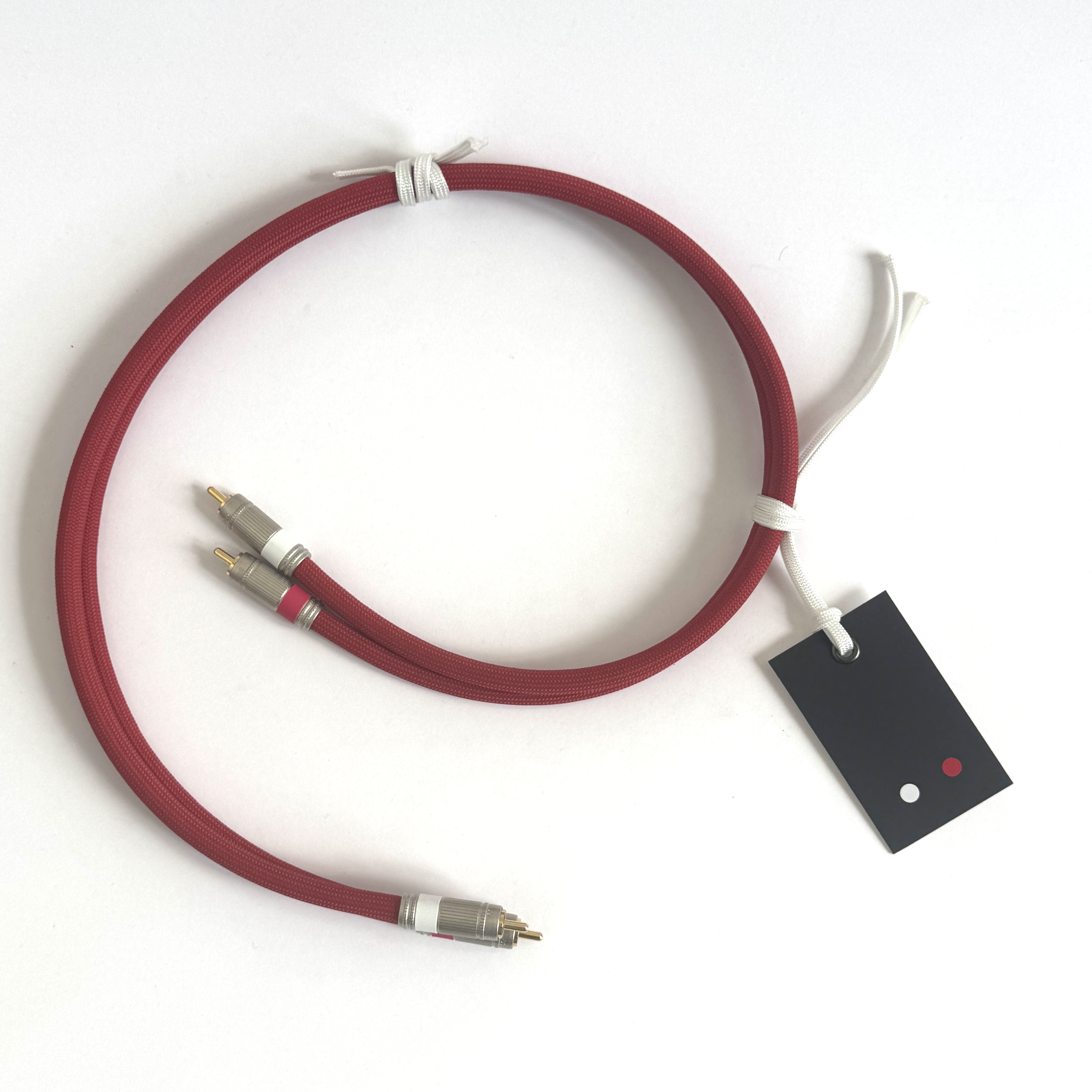
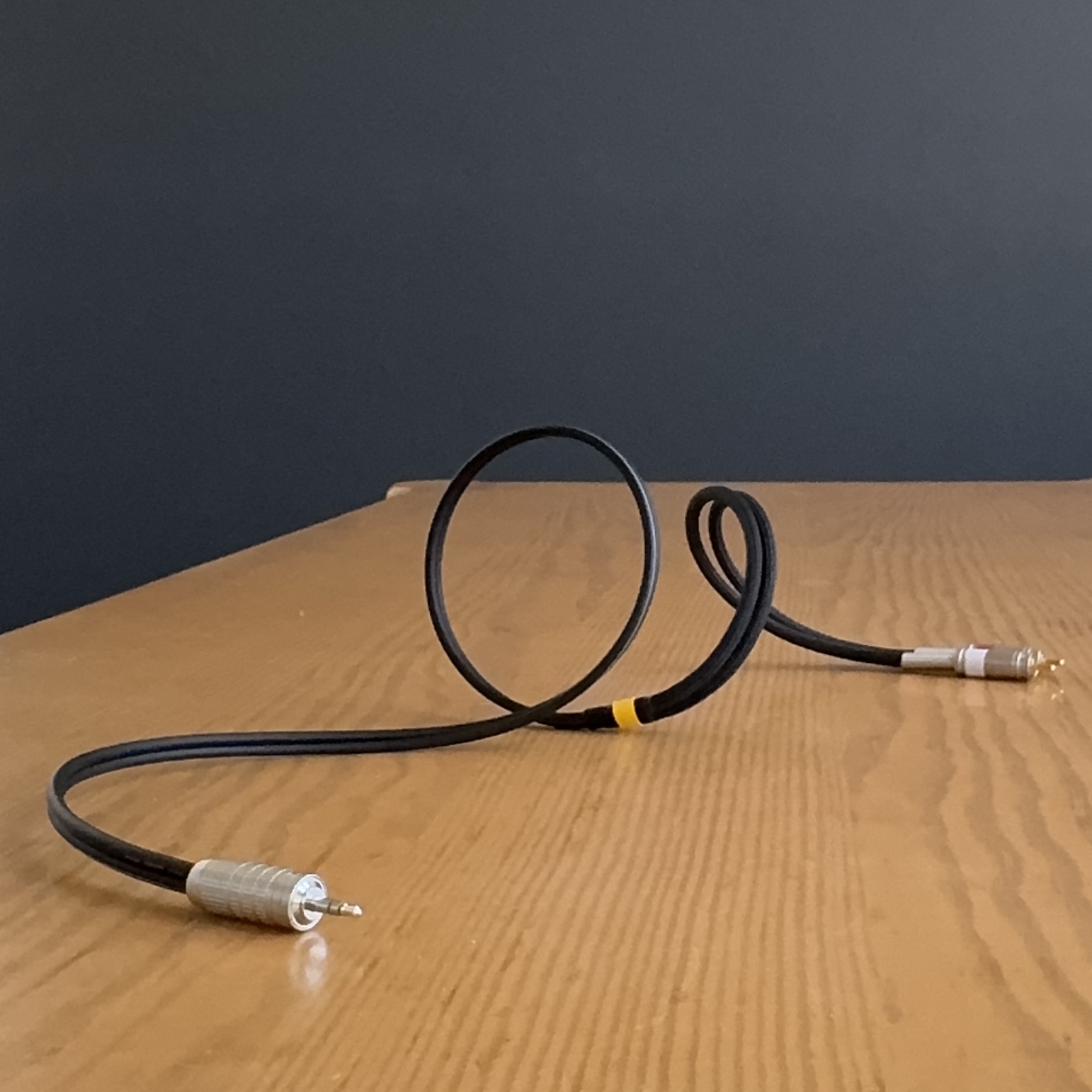
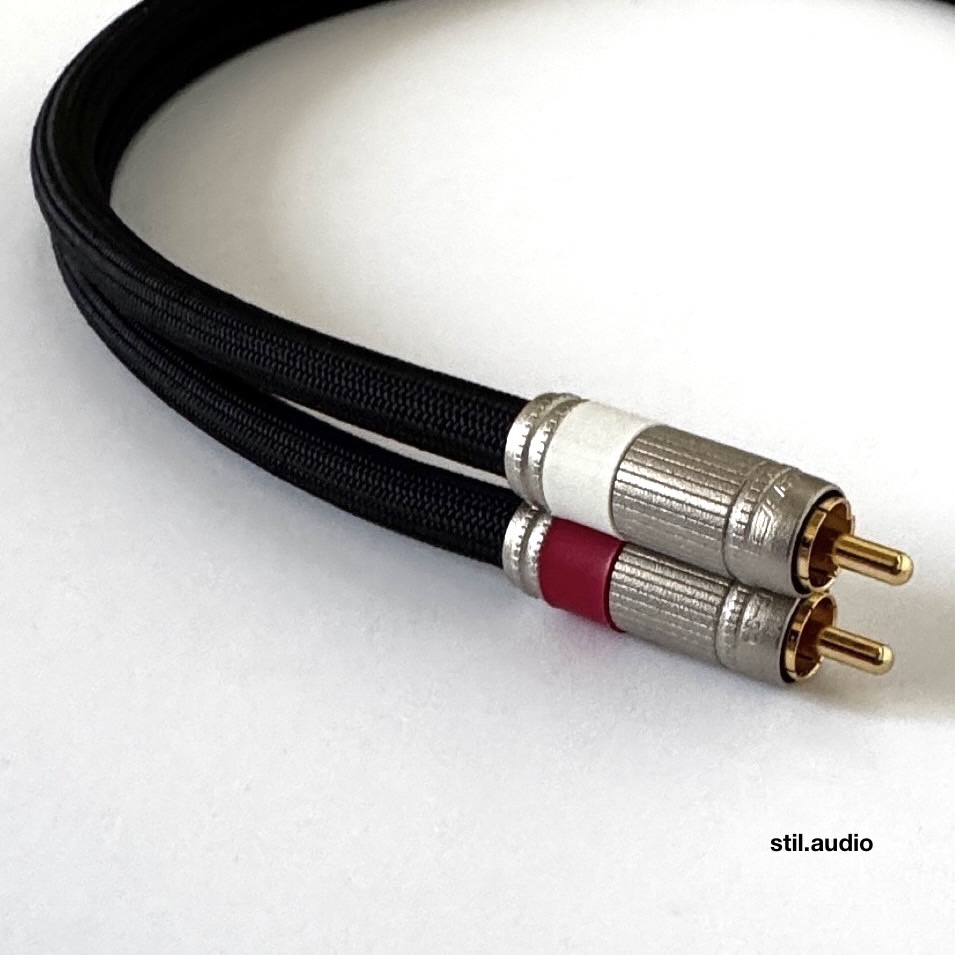
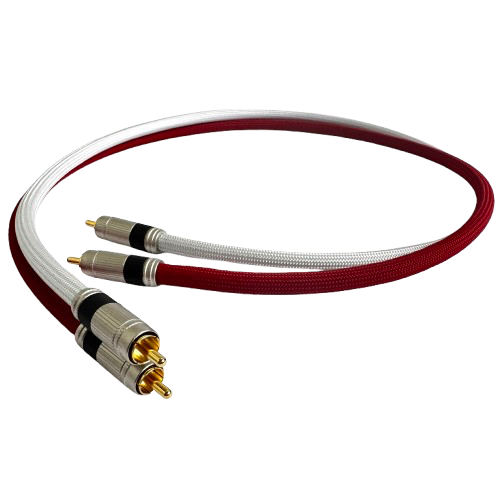
Gotham GAC-1 Ultra Pro — among the lowest-capacitance unbalanced cables available, period. Made in Switzerland, it's known in the industry as one of the quietest cables. The reason: a double Reussen shield — two copper braids wound in opposite directions — plus two conductive PVC layers that drain static before it ever becomes noise. Terminated with Canare F-09 connectors — a hooded design that shields the jack right where noise is most likely to get in, at the connection point on the back of your equipment. The slimmer profile also means it sits cleanly even in tight, crowded connections on a rack or receiver. Solid brass, satin nickel finish, 24k gold-plated contacts, made in Japan. Finished in nylon multifilament sleeving, available in black, white, or red.
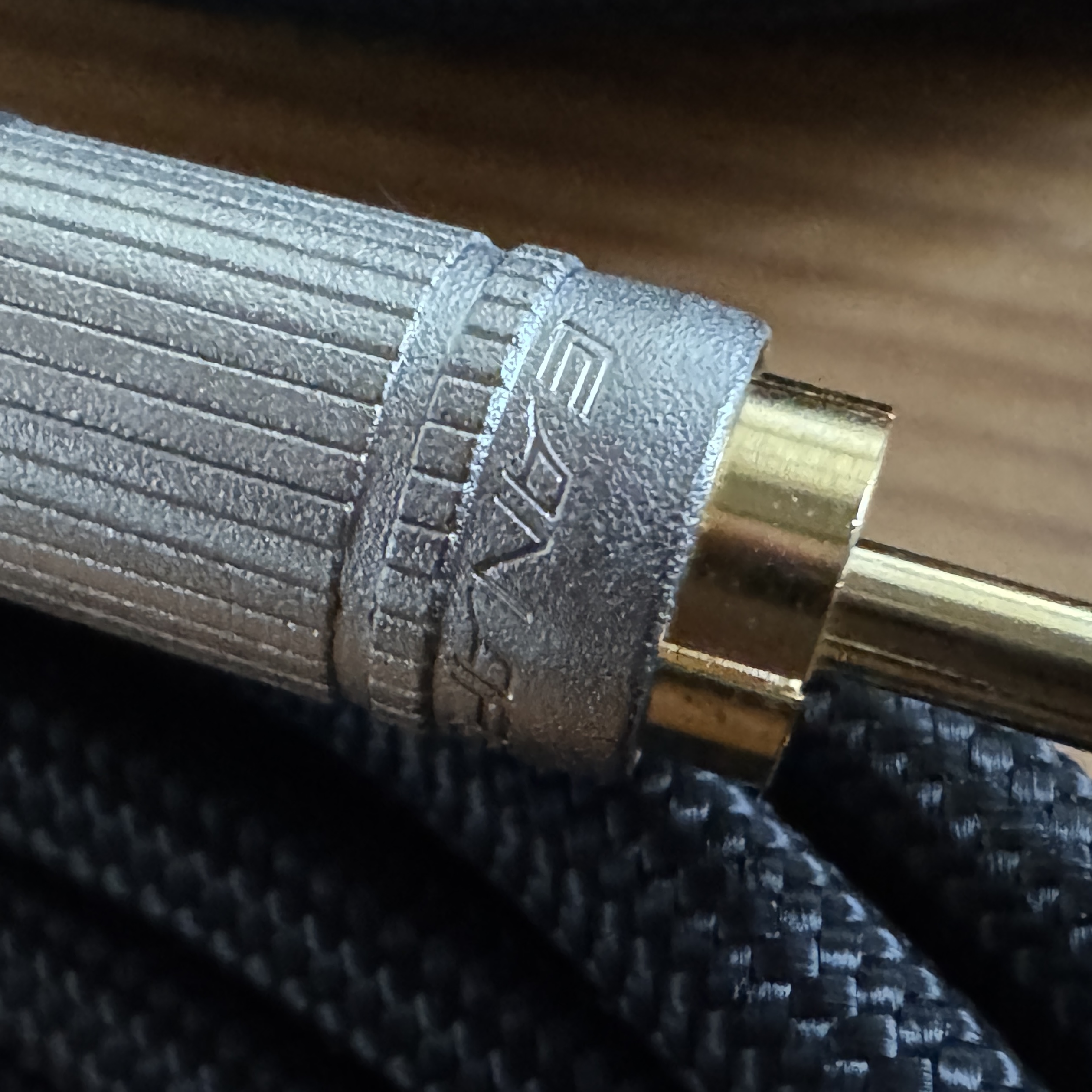
Canare F-09
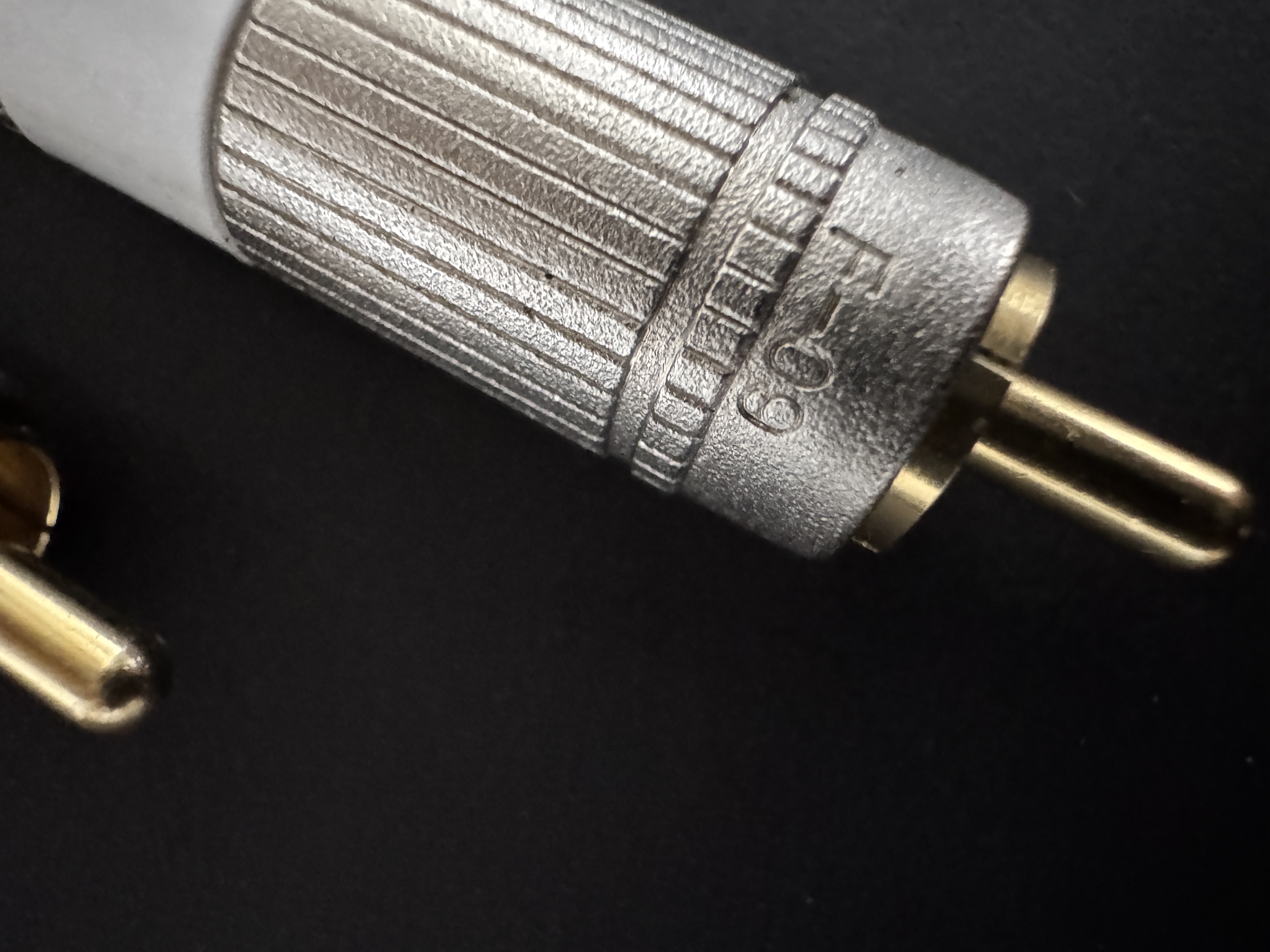
Made in Japan
Need a custom length? Contact us.
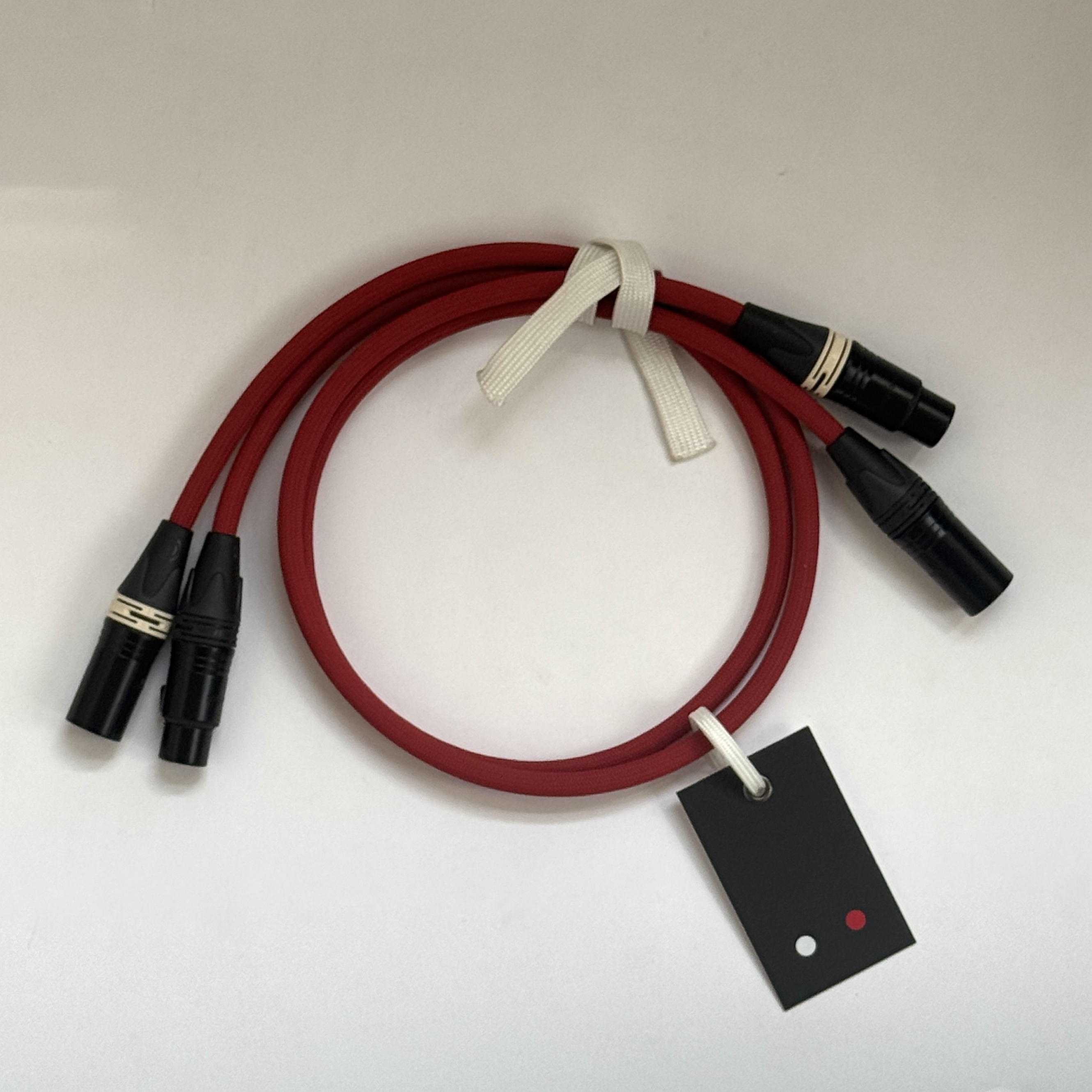
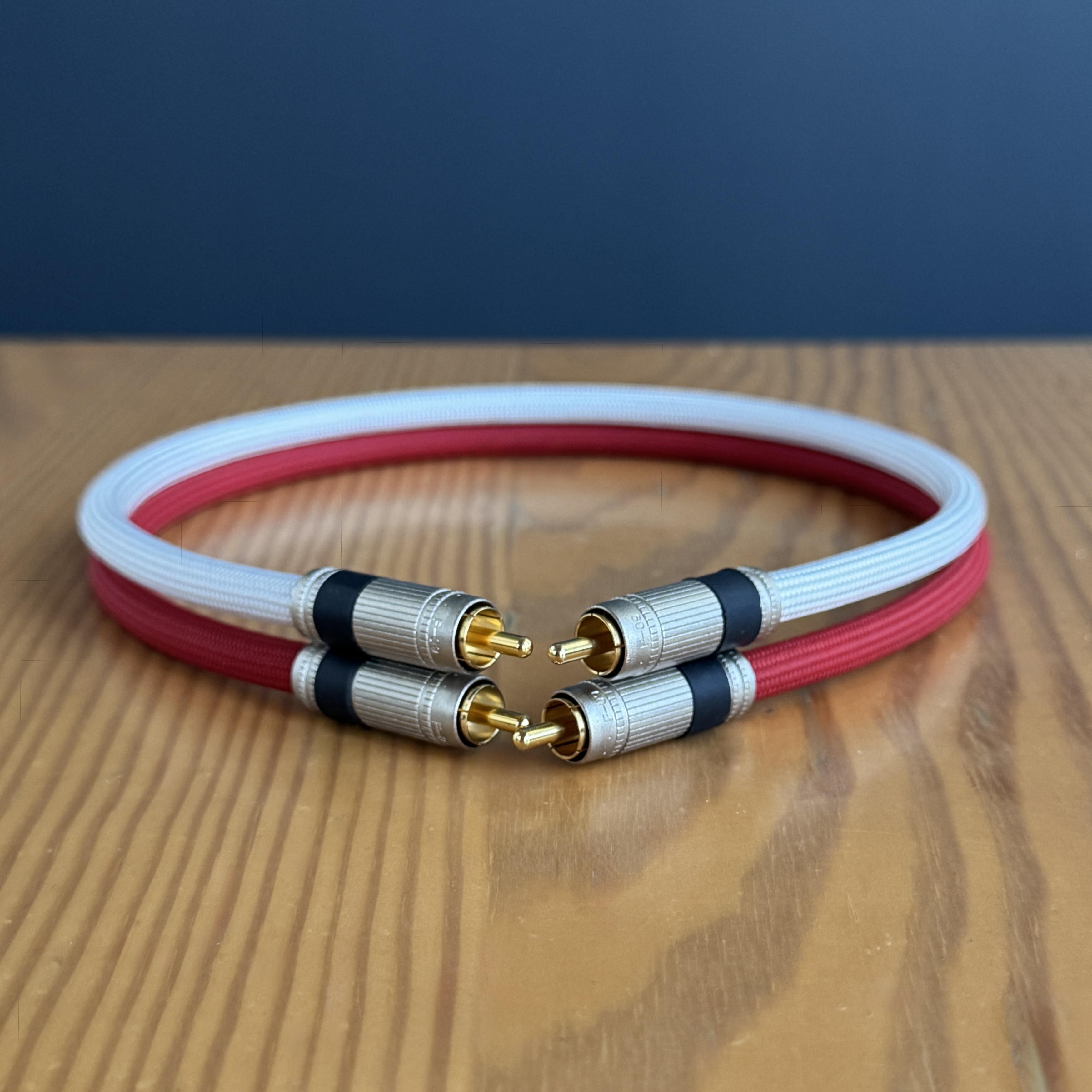
A balanced connection carries the signal on two conductors, one inverted relative to the other. Noise picked up along the run hits both conductors equally; at the receiving end, the equipment cancels that shared noise while the audio — inverted between the two lines — adds together and survives. It's called common-mode rejection, and it's a property of the connection itself, not the cable. Which leaves the real question: how clean is the wire? Mogami W2549 answers it — 22 AWG Neglex oxygen-free copper, a 100% served copper shield, and a partial capacitance of just 23 pF/ft, low enough to avoid high-frequency roll-off. Terminated with Neutrik Pro XLR, made in Liechtenstein. Finished in nylon multifilament sleeving, available in black, white, or red.
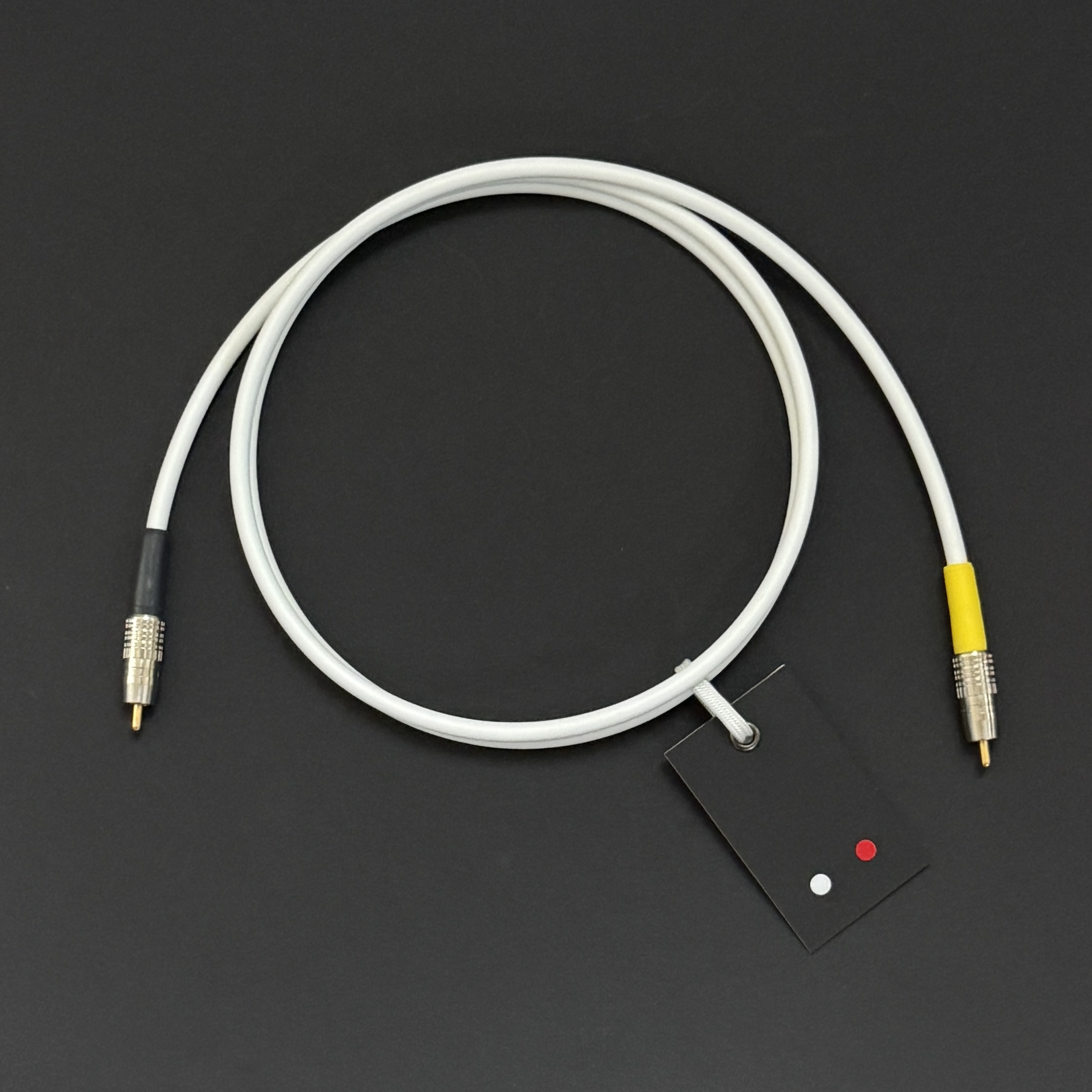
Digital audio runs at high enough frequencies that any break in impedance along the path — even a small one — causes reflections and jitter. Canare LV-61S holds a true 75-ohm impedance along its entire length, starting with the conductor itself: oxygen-free copper, the highest-grade signal wire available, drawn to exacting tolerances so impedance stays consistent from end to end. The shield is a dense, tightly woven bare copper braid at better than 95% coverage.
Terminated with Canare RCAP crimp RCA connectors — the center pin and outer sleeve are cold-welded under mechanical pressure, forming a gas-tight bond with no solder joint to disrupt the signal path or degrade over time. It's the right termination method for a precision digital cable, and it's why Canare's crimp system is standard in broadcast.
Standard length is 1.5 meters minimum — at shorter lengths, signal reflections at the connector can arrive back at the source close enough in time to interfere with the original signal, causing jitter. At 1.5m and longer those reflections decay before they cause a problem. It's a well-established recommendation in digital audio.
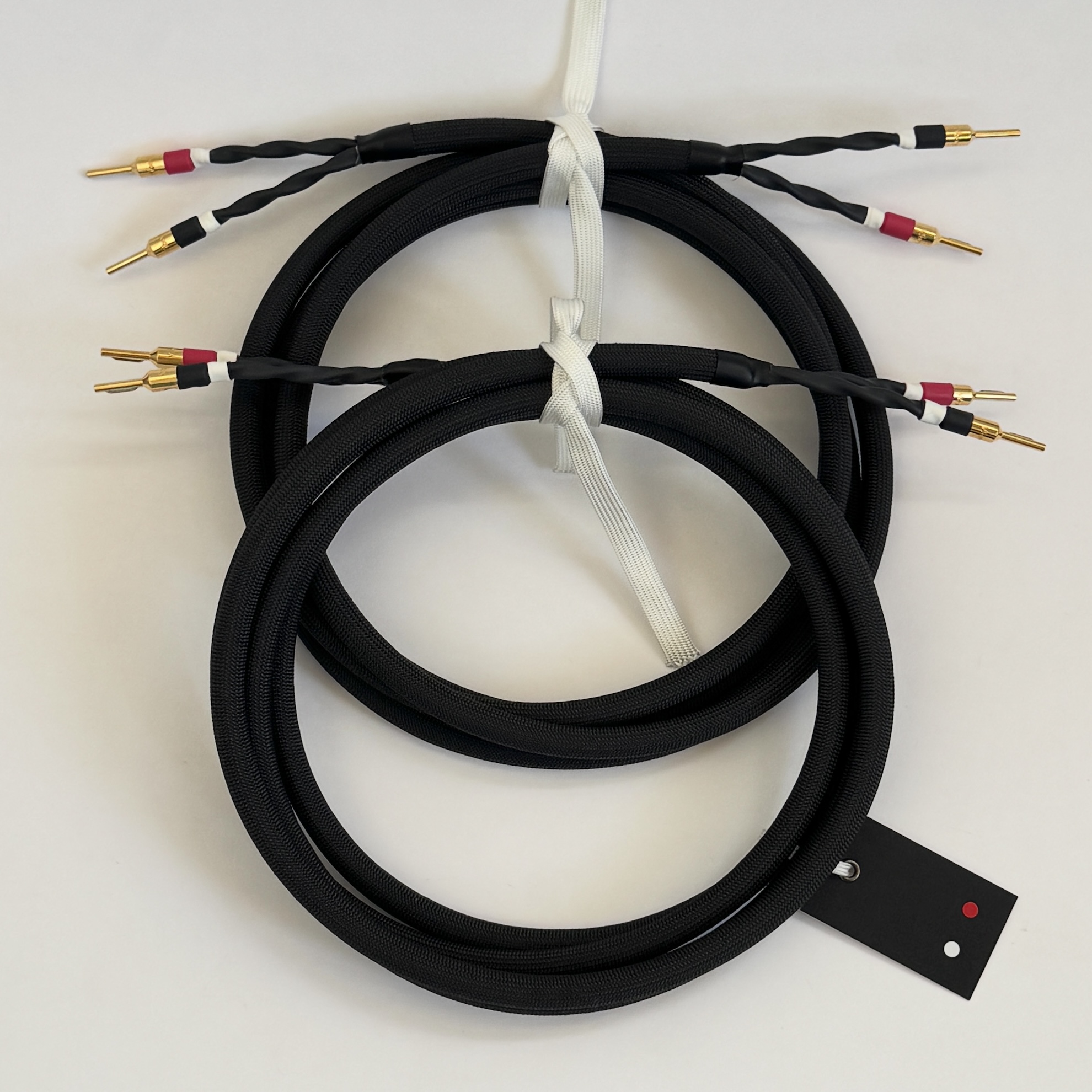
Canare 4S11G — the oxygen-free copper version of the legendary 4S11, for listeners who want that extra measure of purity in the conductor itself. The 4S11 has a legendary reputation in the stadium and studio world: a four-conductor Star Quad speaker cable prized for canceling electromagnetic interference that standard 2-conductor speaker wire can't. Twist two of the four 14 AWG conductors together and you get an effective 11 AWG — right in the sweet spot for carrying real power over a long run without going stiff. Terminated with Viborg banana plugs — solid red copper, with a beryllium-copper spring inside the plug body that compresses on insertion and expands to grip the binding post from within. No wobble, no friction-fit looseness — just a firm mechanical seat. Available in 24k gold or silver plating.
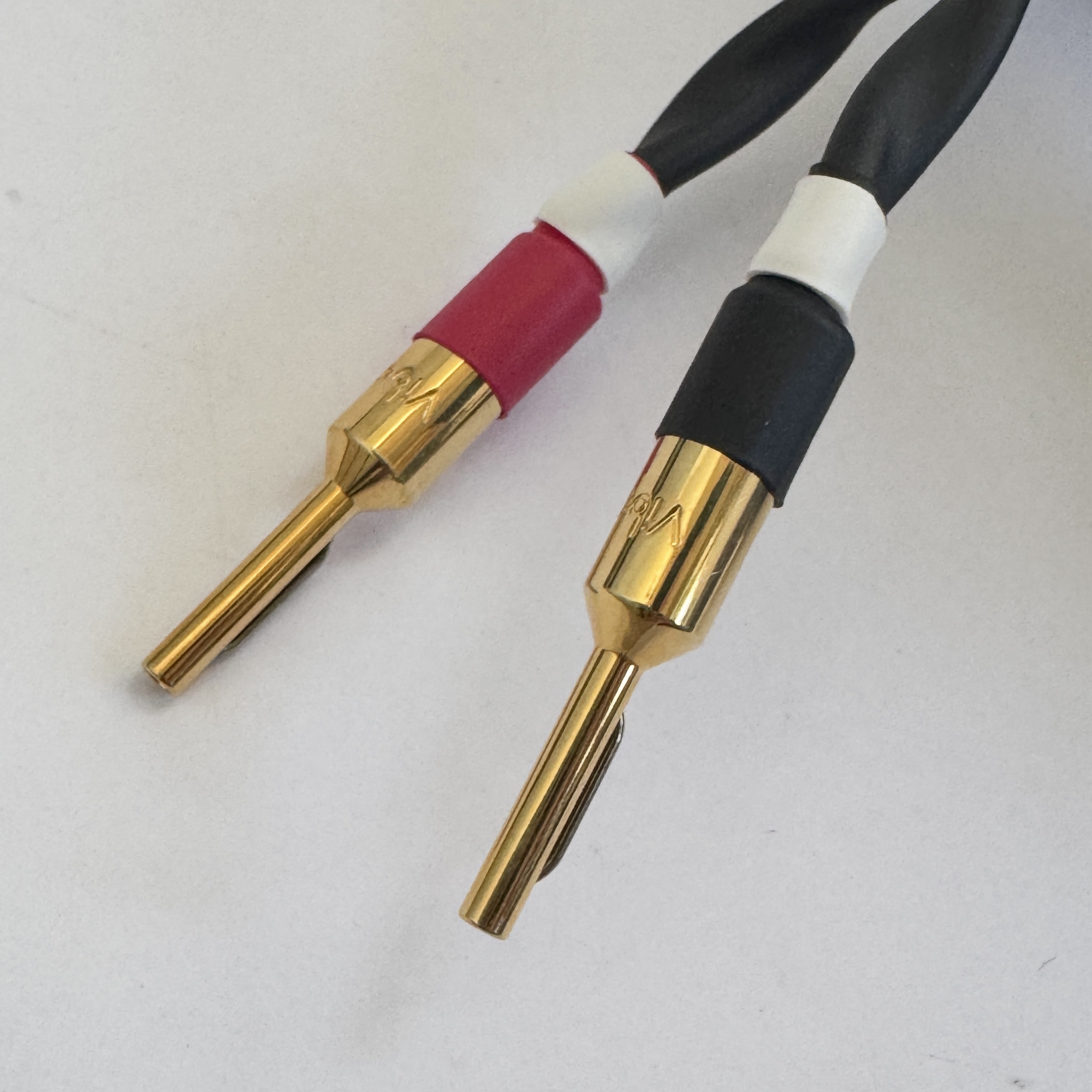
Viborg connector
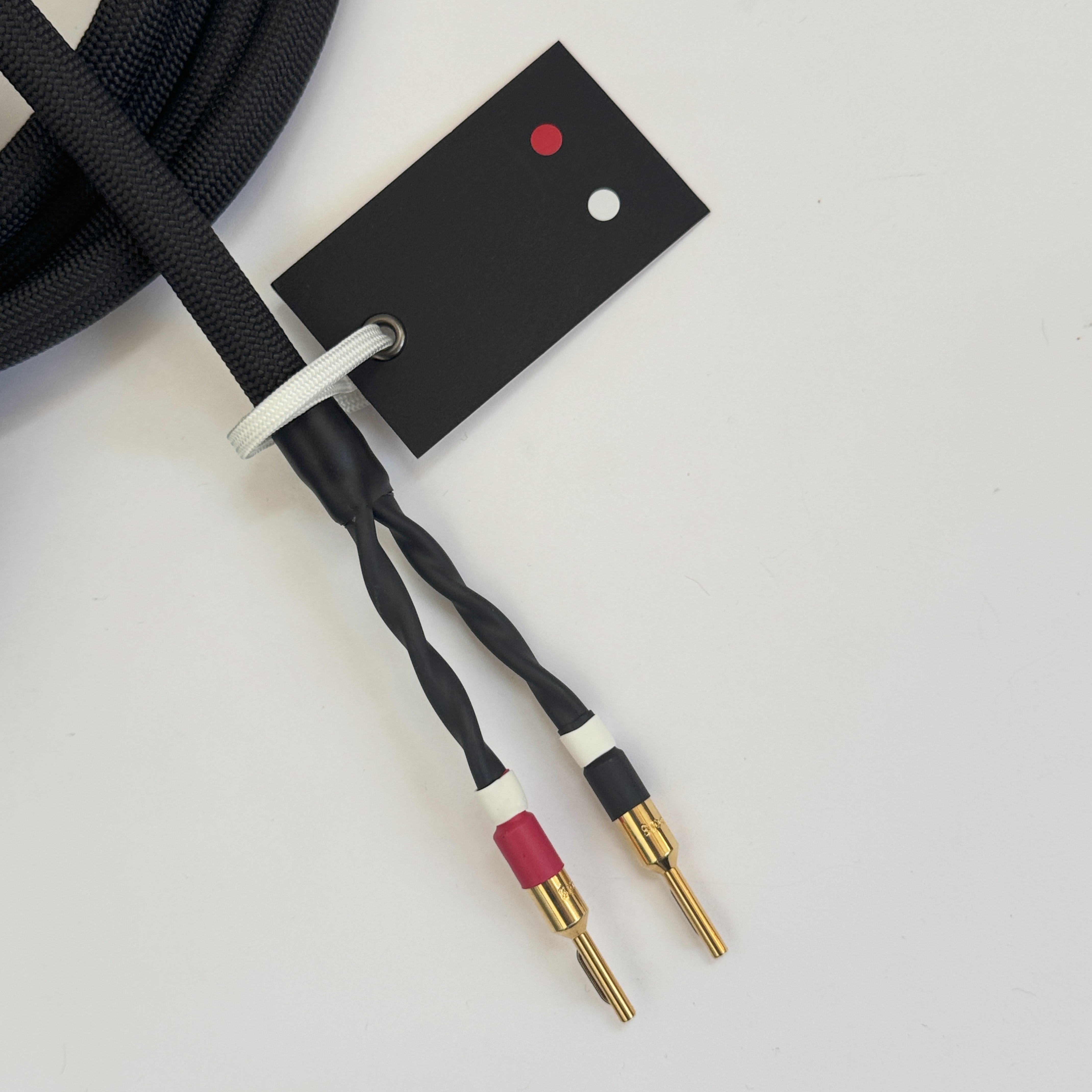
Y breakout
Need a longer run? Contact us.
Instrument
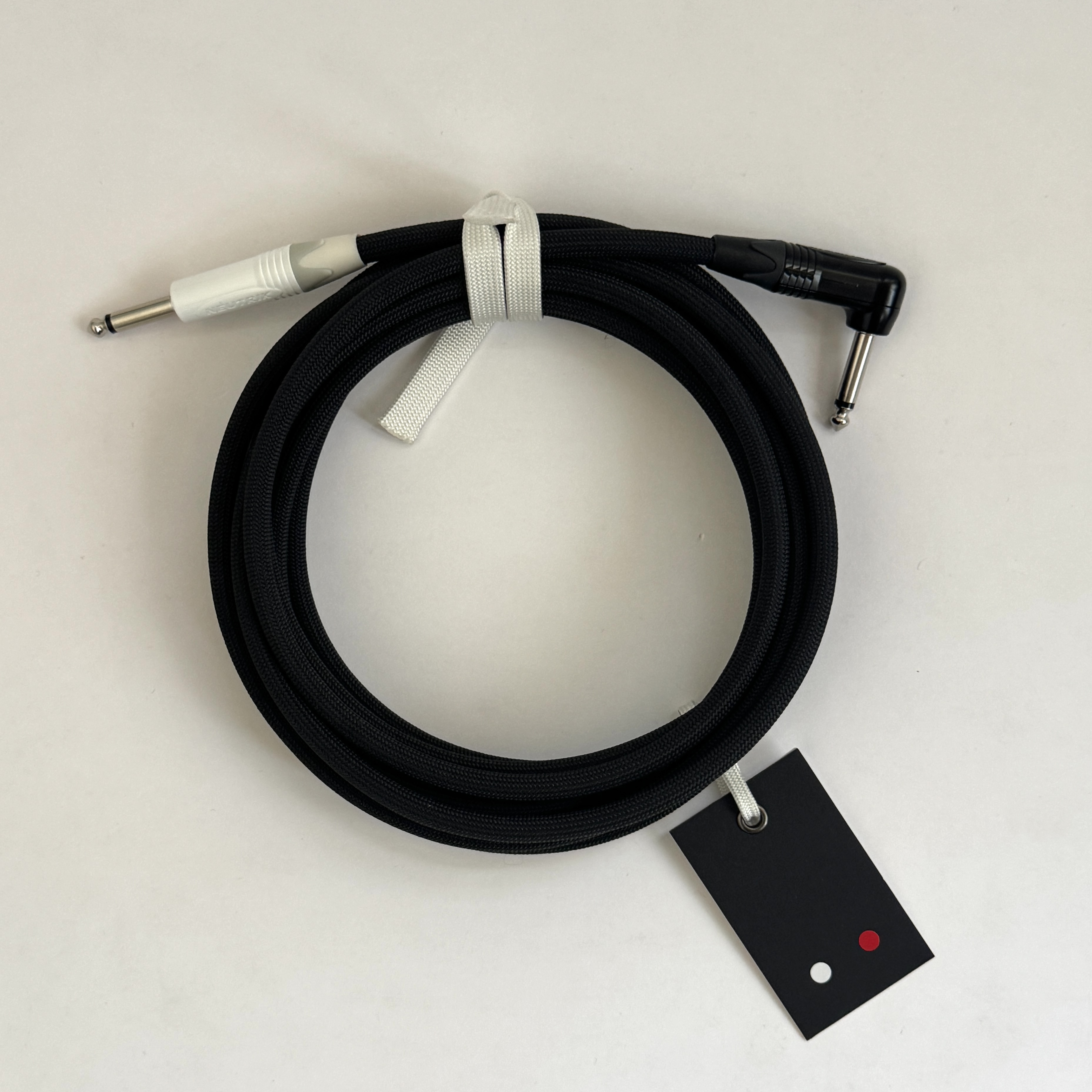
Standard
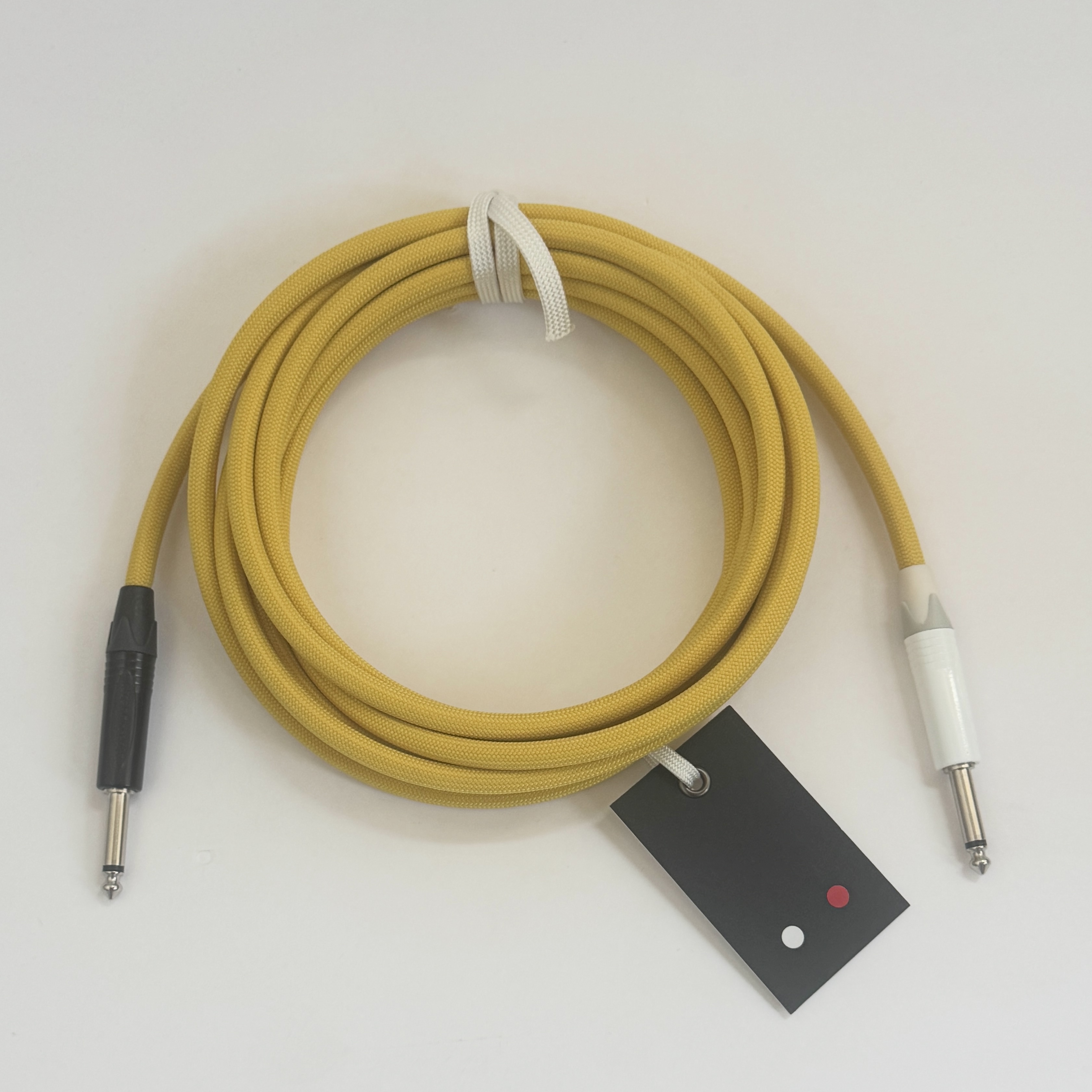
Strat
One build, two wire options: Mogami W2524 or Gotham GAC-1 Ultra Pro. Mogami W2524 — made in Japan, the industry standard for professional studios and stages worldwide. 20 AWG Neglex oxygen-free copper, a carbon-loaded sub-shield that kills handling noise before it starts. Clean, open, consistent. Gotham GAC-1 Ultra Pro — made in Switzerland, at under 21 pF/ft it is among the lowest capacitance instrument cables available anywhere. A double Reussen shield, two copper braids wound in opposite directions plus two conductive PVC layers. Dead quiet. Both terminated with Neutrik Pro all-metal body TS connectors, made in Liechtenstein. Built by hand in our Philadelphia loft.
Standard build: black Neutrik Pro TS right-angle on one end, white Neutrik Pro TS straight on the other. The Strat variant runs straight-to-straight — same black and white Neutrik Pro TS plugs, both straight — for guitars with recessed output jacks. Every cable ships with a heavy-duty canvas storage bag. Any other configuration, custom lengths — just ask.
① Select wire
② Select color
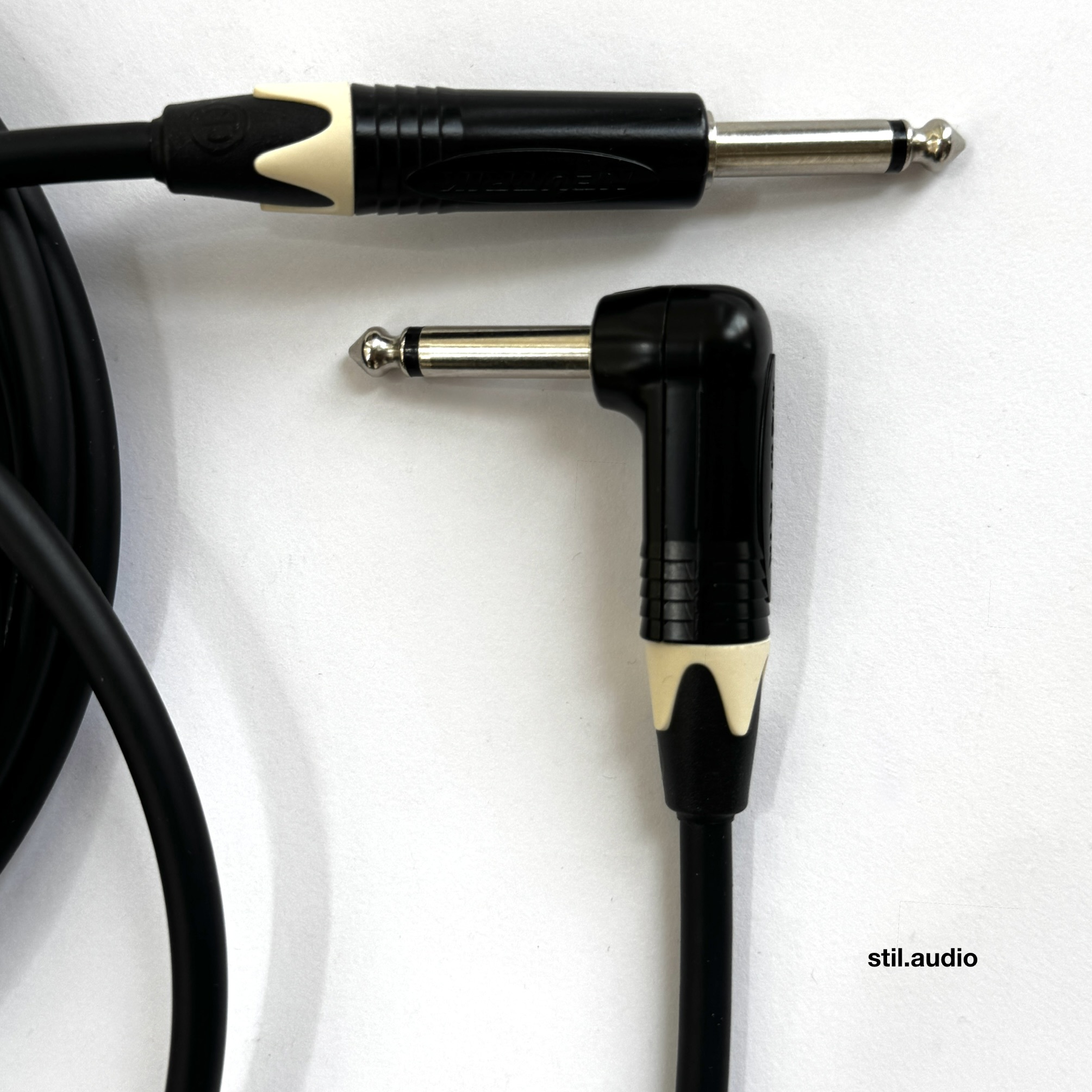
Selected color
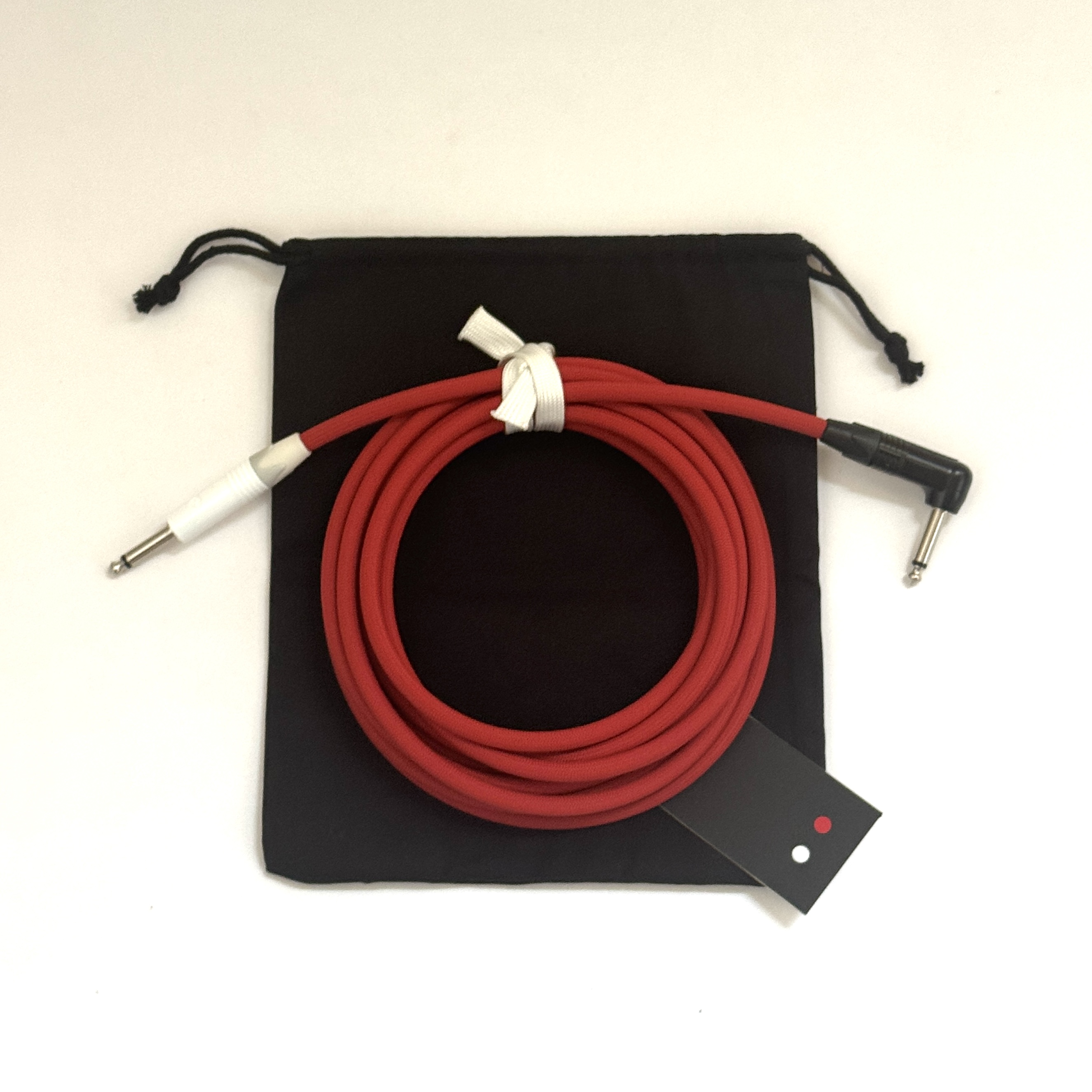
Included canvas bag
③ Choose size & variant at checkout
Sizes: 10 · 12 · 15 ft · Standard or Strat variant (straight/straight)
Not sure? Buy it and try it. If it's not right, send it back. No questions asked.
Need a custom length or configuration? Contact us.
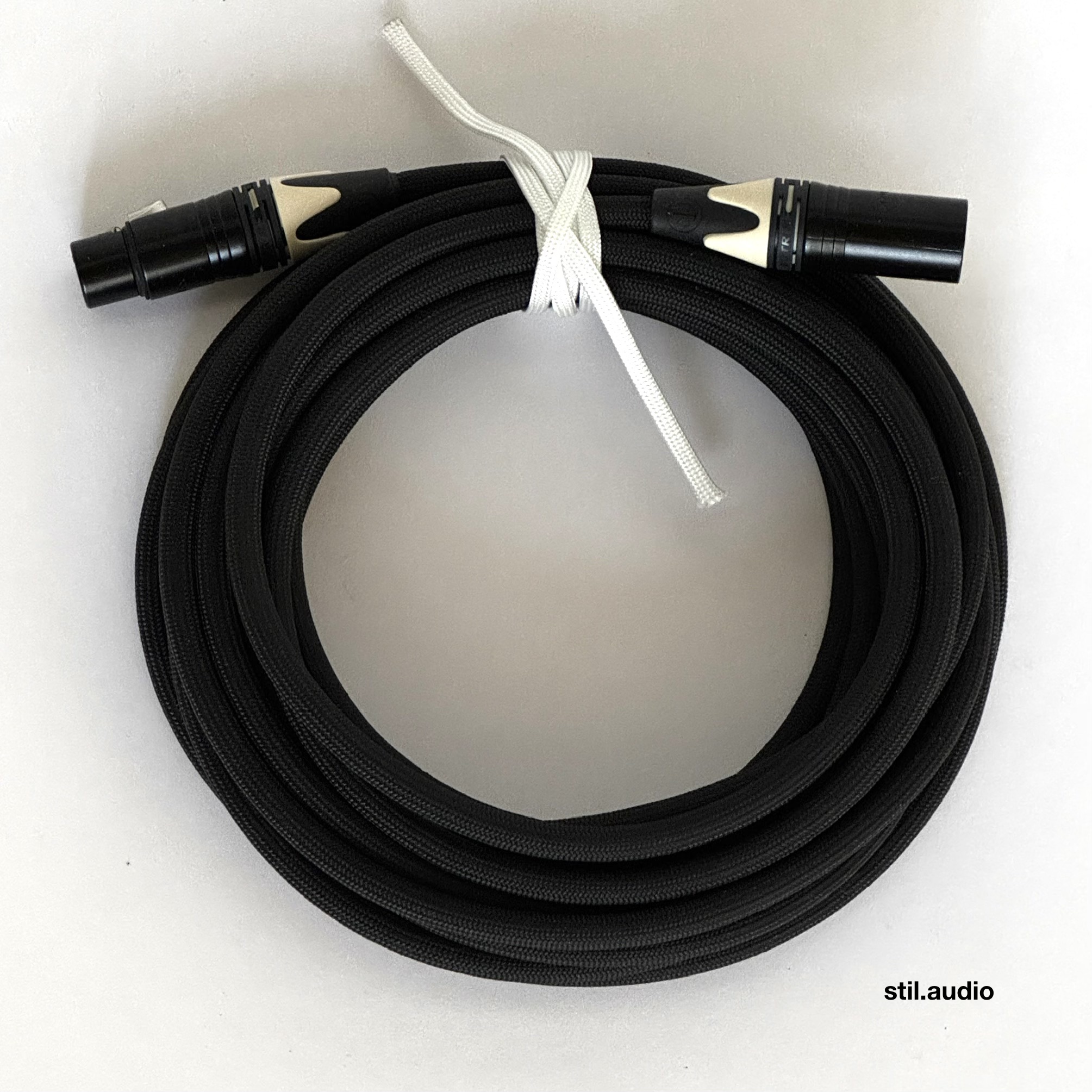
Mogami W2549 — the same wire as the STIL B balanced interconnect, here built for the mic stand instead of the rack. 22 AWG Neglex oxygen-free copper, a 100% served copper shield, and a partial capacitance of 23 pF/ft — low enough to avoid high-frequency roll-off. Terminated with Neutrik Pro XLR, made in Liechtenstein.
Hum, buzz, RF haze — these things don't always hit you over the head. More often they just sit underneath the music: a slight dullness, a high end that never quite opens up, a floor that never goes completely quiet. You get used to it. You stop noticing. But it's there. Shielding is what keeps interference out — dense copper coverage, a design that doesn't let the shield act as an antenna. What's left is the source.
Shielding is only half of it. The conductor — the signal wire itself — matters just as much. Every cable uses oxygen-free copper: the highest-grade conductor available, drawn without the impurities that introduce resistance and degrade the signal over a run. OFC is the standard in professional audio for a reason. Lower resistance means the signal arrives intact. Nothing lost. Nothing colored. What went in is what comes out.
"It's in the moments of silence that a cable truly reveals itself."
— stil.audio
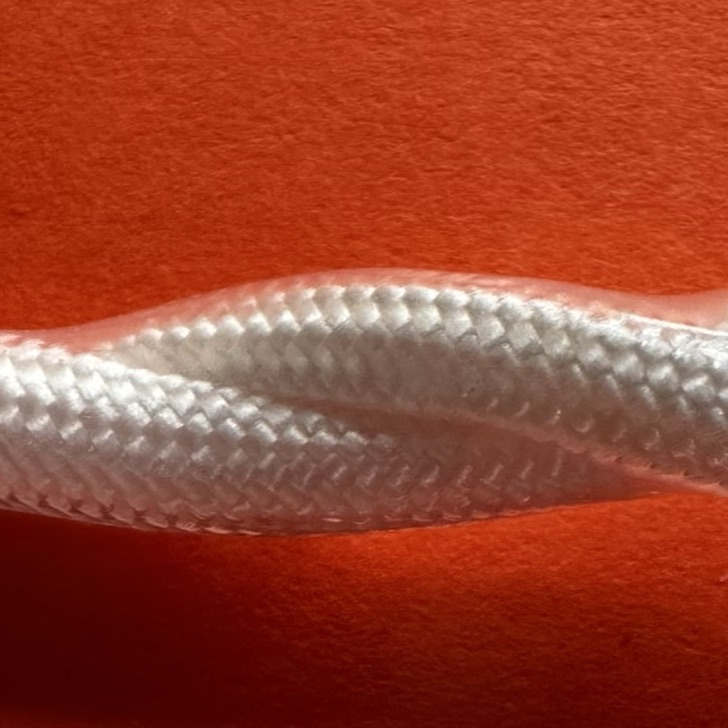
Every cable that calls for it is finished in nylon multifilament sleeving — not the thin PET braid or vinyl "snakeskin" most cable makers use. It protects the cable behind your gear or dragged across a stage floor, and gives it a vintage broadcast character bare jacket just doesn't have. Because it's 100% nylon, it's impervious to staining — spill something on it, wipe it off. It looks like it could've been on a mic cable in 1958. It probably was.
"Did you put vitamins in this thing? It sounds great."
— Ken Kweeder, Philadelphia musician

Chuck · Philadelphia · Fully committed
For the past 30 years I've been a DJ, audio consultant, and interior designer with a focus on architecture and sound within physical spaces. Music has been the constant through all of it.
A listening session a couple of years back — a quiet moment on a record where the noise floor went pitch black — got me paying attention to what a cable actually does. Not much, it turns out, if it's built right. That's the whole point. Low capacitance, real shielding, a connector that keeps interference out. I couldn't find cables built that way in the lengths and finishes I wanted, so I started building my own.
What started as a practical fix became a full stop for me — a year and a half of learning, testing, and rebuilding, and now the last chapter of my working life. I closed the design practice to do this full time. I'd rather be at the bench.
I build for longtime music people and for musicians who just want their instrument to sound like their instrument. Every cable is hand-built in my Philadelphia workshop, tested before it ships. If you don't love it, send it back. No questions asked.

Philadelphia loft
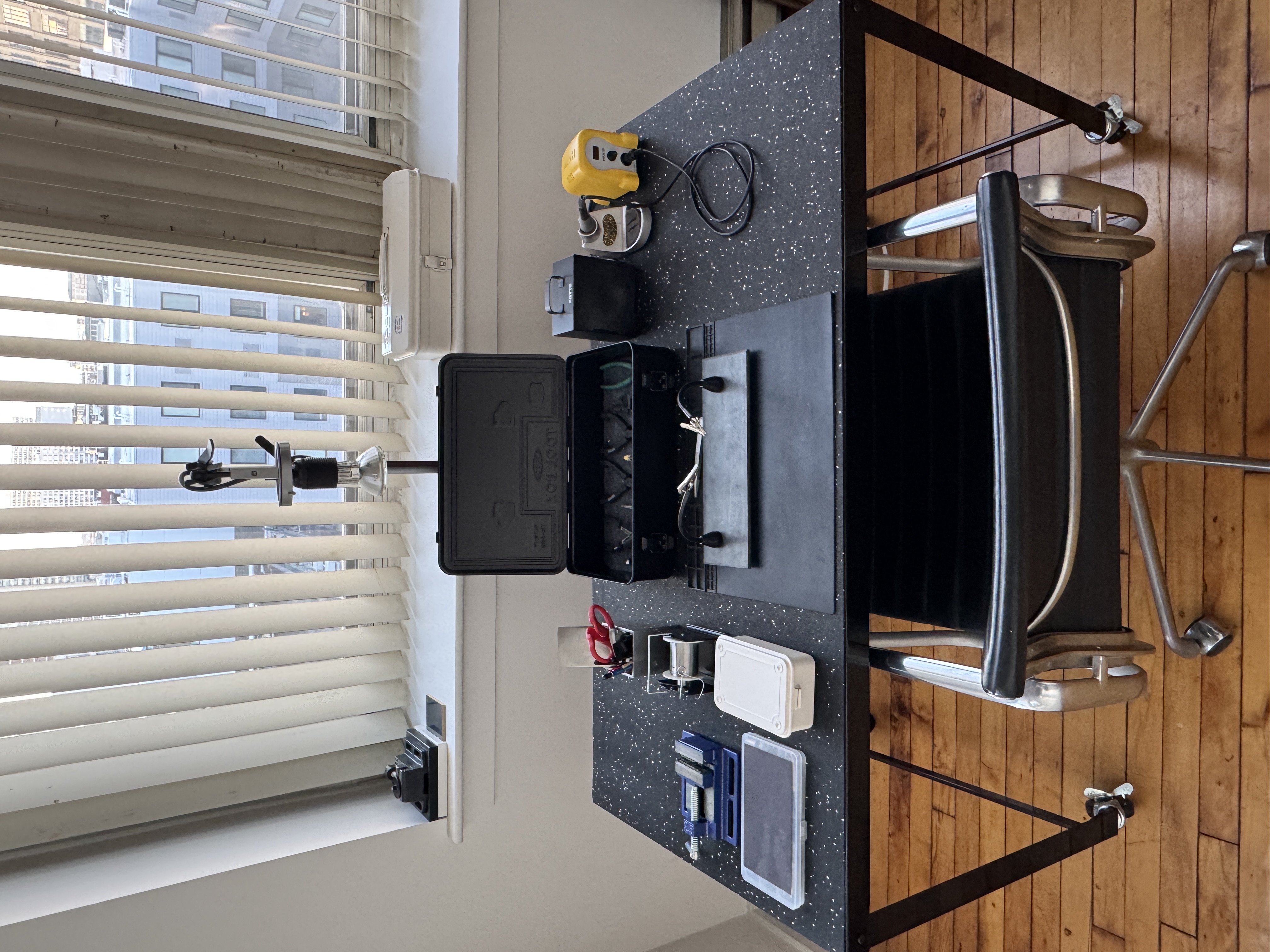
The workbench
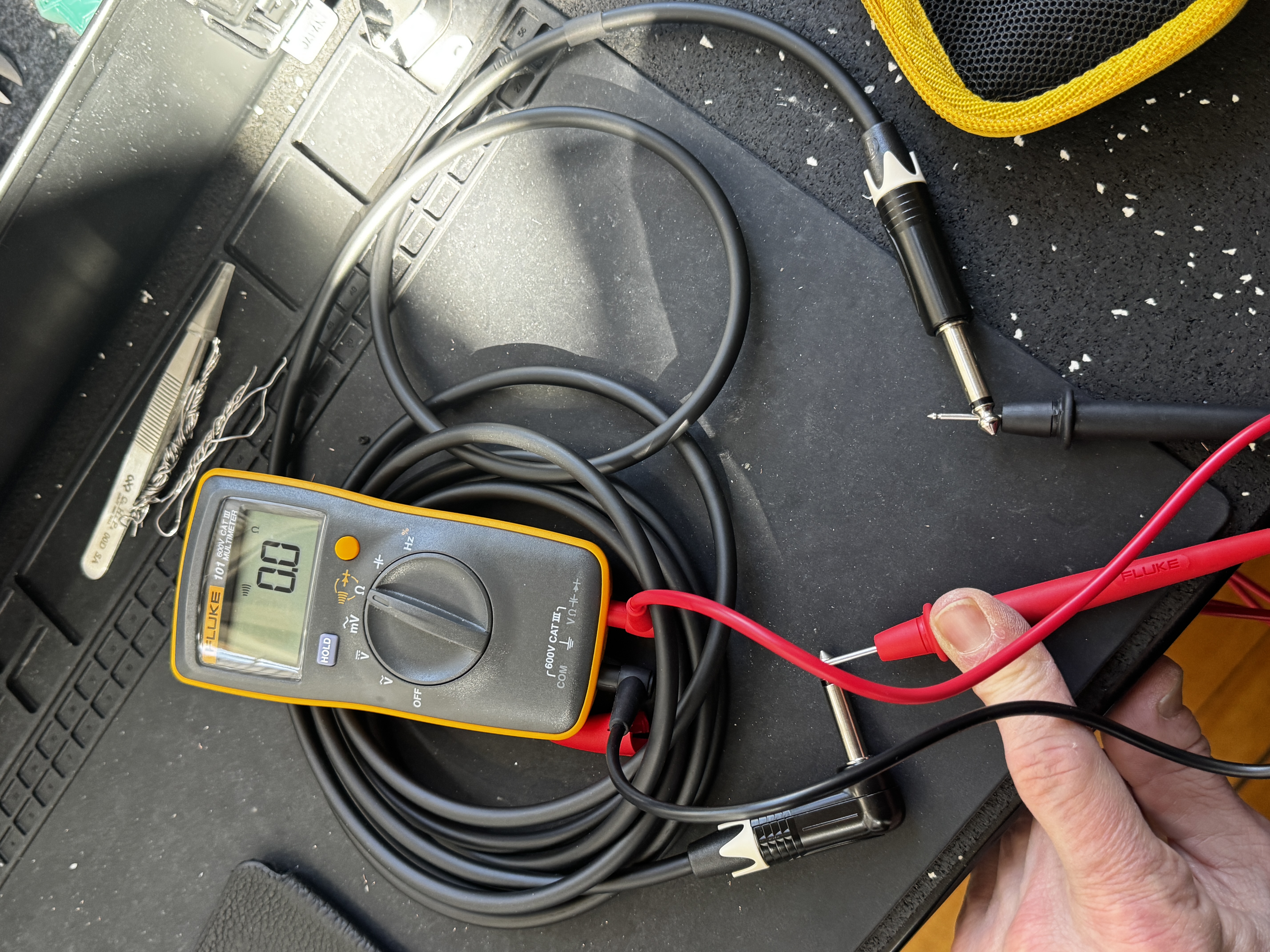
0.0Ω — every time
Components by